

What Should Residents in Clarence Center, NY Know About Seasonal Roof Maintenance?
Seasonal roof maintenance is especially significant in Clarence Center, NY, due to the area’s varied weather patterns, including cold, snowy winters and warm, humid summers. Proper care reduces the risk of leaks, damage, and unexpected repairs, assuring local homes stay dry and protected year-round. Neglect can lead to costly problems as the seasons shift, so following a local-appropriate routine is key.
How Does the Clarence Center Climate Impact Roof Maintenance?
Clarence Center’s winters bring heavy snow accumulation, ice dams, and freeze-thaw cycles, all of which stress roofs. Spring and fall introduce heavy rains and winds, which may exploit any existing weaknesses. Summer’s sun and humidity can age or warp certain roofing materials.
Practical local considerations:
- Roofs may need more frequent inspection in autumn (due to leaf accumulation) and spring (after freeze-thaw cycles).
- Gutters and downspouts are particularly vulnerable to clogging from both organic debris and ice.
- Ventilation becomes a concern both for managing heat in summer and moisture in the colder months.
What Basic Tasks Should Be Done Before Each Winter?
Prepare before the first substantial snowfall:
- Clear gutters and downspouts so melting snow and rain can flow freely.
- Check the attic’s insulation and ventilation to reduce the risk of ice dams forming at the roof’s edge.
- Inspect (from the ground or with binoculars) for missing, cracked, or curling shingles.
- Trim tree branches that overhang the house; these can shed ice directly onto the roof and gutters or break off during storms.
- Ensure flashings are snug around chimneys and vents since freeze-thaw cycles can widen gaps.
- Look for signs of animal nesting, as critters often seek warm places in winter.
A common misconception: Many assume that new roofs need no winter prep. Even recently installed shingles can be vulnerable if gutters clog or if venting is inadequate.
Why Are Spring Roof Inspections Important in the Area?
Once snow and ice have melted, it’s crucial to check for hidden or new problems:
- Identify shingle damage that could have been concealed by snow cover.
- Check for loose nails or fasteners that may loosen in freeze-thaw cycles.
- Look for algae, mold, or moss, particularly on north-facing slopes where moisture lingers. These don’t just look unsightly; they can gradually degrade roofing materials.
- Examine ceilings inside the home for stains or signs of minor leaks that only appear during snowmelt.
Clarence Center’s unpredictable spring rains can quickly expose minor roof weaknesses, so early repairs after inspection are practical and prevent issues as wetter months begin.
How Should Homeowners Prepare Their Roof for Summer Heat?
Local summers, while generally milder than southern climates, still pose risks:
- Confirm that attic vents are unobstructed; proper ventilation reduces the likelihood of shingle warping and keeps cooling bills down.
- Check for cracking in asphalt shingles, especially if the roof is nearing its typical lifespan (usually 15-25 years). Ultraviolet light amplifies aging.
- Inspect seals and caulking around skylights, vents, and chimneys, which can dry out and shrink in summer sun.
- Clean debris from valleys (where two roof slopes meet), since this is where water can collect after summer storms.
What Should Be Addressed in the Fall in Preparation for Leaves and Storms?
Preparing for leaf drop and strong autumn winds helps prevent clogged gutters and cold-weather water damage:
- Schedule a safe gutter cleaning once most leaves have fallen, or more frequently if houses are surrounded by mature trees.
- Screen or cover gutters to minimize future clogs.
- Inspect soffits and fascia (the parts just under the roof’s edge) for rot, insect damage, or missing pieces. These often go overlooked but play a key role in keeping water and critters out.
- Confirm all vent pipes and stacks have secure boots or collars, as autumn winds can pull at these.
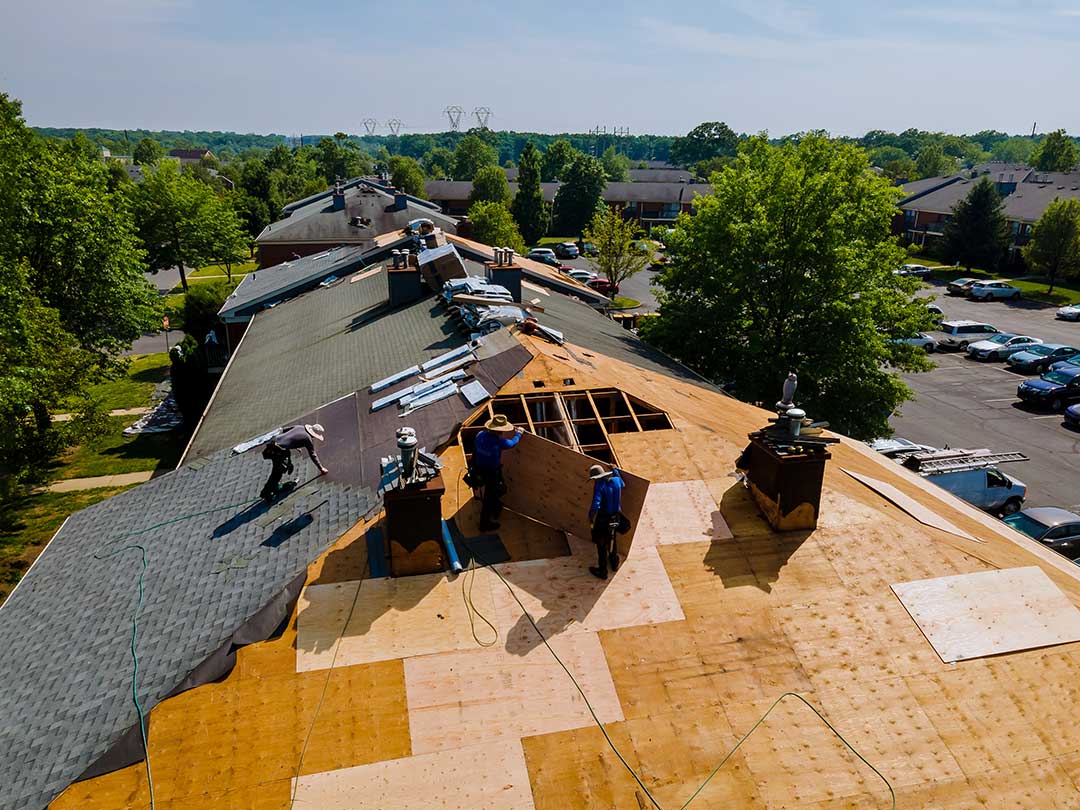
Fall is an ideal season for minor repairs before cold sets in and makes roofing work unsafe or difficult.
What Signs Suggest an Emergency or Need for Immediate Attention?
Sometimes, issues discovered in routine seasonal checks can’t wait:
- Persistent dampness or staining inside, mold smell in the attic, or water drips after rain signal an active leak.
- Sagging areas or rust lines indicate possible structural issues in the roof deck.
- Large branches on the roof or visible holes after a storm should be handled right away due to risk of further interior damage.
In these cases, avoid climbing on the roof—structural weaknesses or ice may create fall hazards.
Frequently Missed Steps That Matter in Clarence Center Homes
Several aspects are often missed by area homeowners:
- Ignoring detached garage or shed roofs, which may be smaller but are just as vulnerable to snow buildup and storm debris.
- Assuming flat or low-slope roofs require less attention. These can actually be more prone to pooling water, especially after freeze-thaw.
- Forgetting to document seasonal inspections and small repairs; keeping a brief record helps track the roof’s aging process and anticipate major maintenance.
What Tools and Supplies Should Be on Hand for Routine Maintenance?
Basic upkeep generally requires:
- Sturdy ladder (for gutter cleaning and close-up inspection)
- Heavy-duty gloves and safety glasses, especially during debris removal
- Roof rake (in snowy months) for safe snow removal from ground level
- Binoculars for detailed inspection without climbing
- Bucket or bags for debris collection from gutters and valleys
Always work safely and avoid the roof’s surface if it’s icy, wet, or steep.
