
What Is Roof Underlayment and Why Is It Necessary?
Roof underlayment refers to the material installed directly onto your roof deck beneath the shingles or other outer roofing surfaces. Its main job is to create a secondary barrier against water, wind, and various weather extremes encountered in Clarence Center, NY. While shingles provide the first line of defense, underlayment acts as backup protection, particularly during wind-driven rain, ice damming, or when shingles are damaged or missing.
Without this layer, a roof deck in the city would be exposed to moisture infiltration, which increases the risk of wood rot, hidden leaks, and mold growth in attics or ceiling spaces. Especially with the city’s cold, snowy winters and occasional windstorms, underlayment is considered essential for most residential roofs.
What Types of Roof Underlayment Are Used in Clarence Center?
Most homes use one of three standard underlayment types. Each type offers a different balance of protection, cost, and suitability for local climate conditions.
- Asphalt-Saturated Felt: Sometimes called “tar paper,” this traditional material has been used for decades. It’s affordable, reasonably water-resistant, and available in 15-pound or 30-pound rolls. However, it can deteriorate faster than newer products if exposed to prolonged moisture or wind.
- Synthetic Underlayment: This modern option is made from engineered polymers, making it lighter, more tear-resistant, and more durable than felt. Many homeowners in the city choose synthetic sheets for their longer lifespan and slip-resistant qualities, which can be especially important during the cold season.
- Rubberized Asphalt (Peel-and-Stick): Commonly called ice and water shield, this self-adhering membrane is particularly effective where water intrusion is most likely: along eaves, valleys, and around roof penetrations like chimneys or vent pipes. Local building codes often require this type of underlayment at roof edges, especially due to the risk of ice dams in the community.
Different parts of a single roof may require different types of underlayment to achieve comprehensive protection.
How Does Underlayment Protect Against Ice Dams and Water Damage?
Roof underlayment in Clarence Center protects homes by stopping melted snow or wind-driven rain from reaching the wood decking, even if shingles or tiles fail. This is especially critical during freeze-thaw cycles typical in late winter and early spring.
When snow melts on the roof and refreezes at the eaves, it can form an ice dam. Water builds up behind the dam and seeks any path it can find—including under the shingles. Underlayment, particularly rubberized asphalt membranes, serves as a last line of defense. It seals tightly to the deck and around fasteners, preventing this backup from leaking into attic insulation, ceilings, or walls.
Are There Local Building Requirements for Roof Underlayment?
Yes, homes in Clarence Center are generally subject to building codes that specify minimum roofing standards. While specific requirements can change, many codes in New York State mandate ice and water shield installation—typically extending from the eaves up slope to at least 24 inches inside the exterior wall line. This helps reduce the risk of leaks from ice dams, a concern for area households.
Additionally, codes often require minimum overlaps between underlayment rows and may regulate underlayment type for different pitch roofs. Homeowners should confirm current local regulations or consult official guidance to ensure compliance when planning roof repairs or replacements.
Do All Roofs in the City Need Underlayment?
Most steep-slope residential roofs in Clarence Center rely on underlayment, whether they are new builds or re-roofing older structures. The only common exception might be certain types of metal or specialty roofs installed based on specific manufacturer instructions, but this is rare for standard homes in the area.
Skipping underlayment is usually not recommended locally, given the region’s year-round precipitation and wide temperature swings.
How Can Homeowners Tell If Their Underlayment Needs Replacement?
Underlayment is typically hidden beneath the outer roofing surface, so direct inspection isn’t always practical without partial removal of shingles. However, several signs may indicate potential issues with old or damaged underlayment in homes around Clarence Center:
- Leaks or water stains on ceilings or in attics after rain or snow melt.
- Visible rot or mold in attic wood or insulation.
- Loose or curling shingles, as underlying moisture may weaken the roof structure.
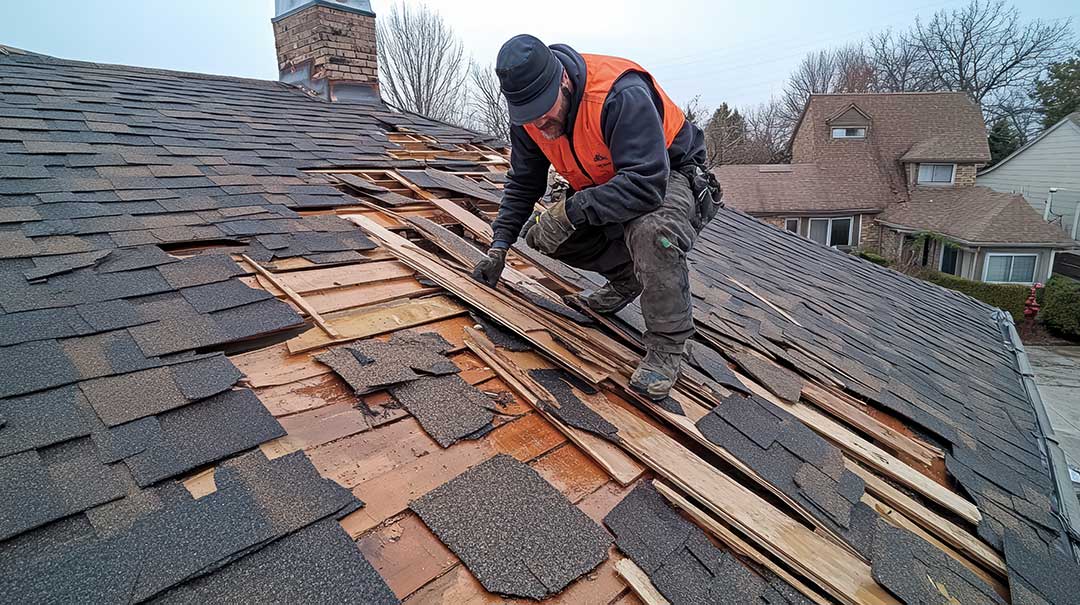
When replacing a roof, most local contractors remove all old shingles and previous underlayment to reveal and address any problems. Homeowners planning DIY repairs should never layer new underlayment over rotten decking or water-damaged areas.
Are There Seasonal or Climate Considerations Unique to the Area?
Clarence Center experiences regular snowfall, rainstorms, and periods of freezing weather. Seasonal freeze-thaw cycles increase the risk of ice dams, and spring rains can exploit any vulnerability in roofing materials. For these reasons, many local homes benefit from robust ice and water shield protection, especially on north-facing slopes and low-pitch roof sections.
Summer storms with wind-driven rain can also challenge traditional felt underlayment. Synthetic options often provide better resistance to tearing and moisture during these events.
Common Misconceptions About Roof Underlayment
It’s a common misconception among area homeowners that underlayment is optional if high-quality shingles are installed. In reality, the outer roof material can be damaged or lifted by wind, and its seams are vulnerable. Another misconception is that all underlayments provide equal protection—synthetic and rubberized products generally outperform felt under heavy weather.
Finally, some believe underlayment is only needed at the roof’s edges. While these areas are most vulnerable, full coverage is recommended to provide comprehensive backup under all exposure conditions in the city.
Practical Tips for Choosing and Maintaining Underlayment
- Match the underlayment type to the outer roofing material and the home’s specific exposure risks.
- Ensure eaves, valleys, and roof penetrations have peel-and-stick membranes to prevent leakage.
- Plan for full replacement of underlayment during any major reroofing project—layering new over old is not considered a long-term solution.
- Check attic spaces after major storms or spring thaws for signs of hidden leaks or excessive moisture.
Clarence Center homeowners who understand the purpose and options for roof underlayment can make more informed choices to protect their homes for years against the city’s changing weather.
