

How Many Years Does a Roof Usually Last in Clarence Center, NY?
Most roofs on houses in Clarence Center last between 15 and 40 years, but the true lifespan depends on roofing materials, weather, and roof care. Asphalt shingle roofs—the most common type in the community—typically last 15 to 25 years, while metal, slate, and tile roofs can last much longer.
Climate matters. Clarence Center experiences snowy, wet winters and summer storms. These conditions can affect roof longevity compared to drier or milder climates. Wind-driven rain, hail, ice dams, and freeze-thaw cycles contribute wear unique to the region.
What Factors Affect How Long a Roof Will Last Here?
Several variables influence a roof’s actual life. While manufacturer estimates provide an average, local realities often determine what to expect.
- Material Type:
- Standard three-tab asphalt shingles: 15–20 years
- Architectural asphalt shingles: 20–30 years
- Metal roofs: 40–70 years
- Slate and clay tile: often 50+ years
- Weather Patterns:
Persistent snow, ice, and heavy rainfall, especially in late winter and early spring, can speed up shingle aging, loosen flashing, and worsen granule loss.
- Roof Slope and Ventilation:
Properly sloped roofs shed water and snow more efficiently. Adequate attic ventilation prevents heat and moisture buildup, reducing risk of ice dams, mold, and shingle curling.
- Installation Quality:
Mistakes during installation may shorten even the best-rated roof’s life, especially around valleys, chimneys, and gutters—areas prone to leaks in homes throughout the area.
- Ongoing Maintenance:
Promptly clearing debris, checking for loose or missing shingles, and repairing minor damage keeps roofs lasting closer to their upper age range.
What Are Signs That a Roof is Nearing the End of Its Life?
Roofs often show signs of aging before they truly fail. Recognizing these warning signs helps local homeowners plan for timely repairs or replacement.
- Curling, cracked, or missing shingles
- Heavy granule loss visible in gutters or downspouts
- Dark streaks or moss growth (indicative of trapped moisture or poor drainage)
- Sagging spots or a “wavy” roofline
- Frequent ice damming at the eaves in winter
- Indoor leaks or stains on ceilings after rain or snowmelt
Some wear is normal, but rapid changes or recurring issues suggest a roof is past its reliable lifespan.
Does the Life Expectancy Differ for Older vs. Newer Homes?
Yes, though not always for the reasons people expect. Many older homes in Clarence Center have steeper roofs, which tend to outlast low-slope variants by shedding snow and moisture more efficiently. However, aging structures might have less effective insulation or older roofing underlayment—the hidden layers that help resist leaks.
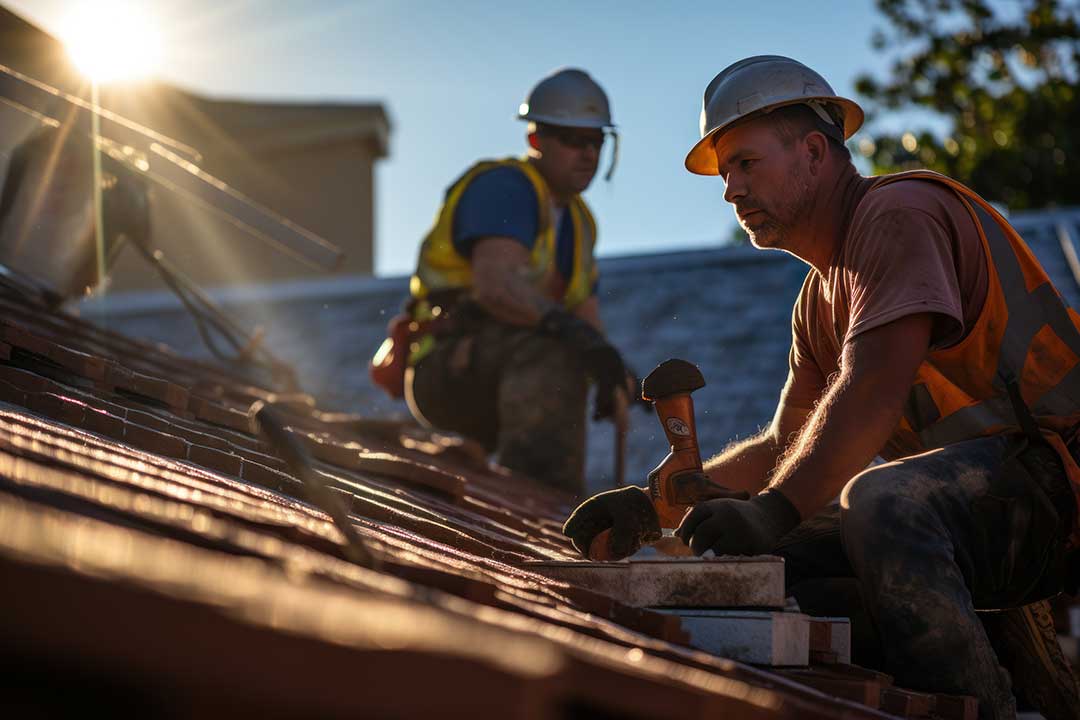
Newer construction may feature improved airflow, synthetic underlayments, or architectural shingles that perform better in local conditions. But workmanship and material choice still matter most.
How Does Regular Maintenance Influence Roof Lifespan?
Routine care is one of the biggest factors in extending a roof’s useful years. Clearing branches and leaves, inspecting after winter storms, and fixing damage early can add several years to a roof's service life. Neglect often leads to small problems growing quickly—especially with the heavy snow loads and wind in the area.
For those with mature trees near the house, branch trimming and gutter cleaning are especially helpful. Leaving debris to collect along valleys or in gutters increases moisture retention and decay.
What Are Common Misconceptions About Roof Longevity?
A few ideas often lead residents astray:
- Believing all shingles have the same lifespan (material quality and local weather matter)
- Assuming a leak means instant replacement (repairs are possible for localized issues)
- Expecting warranties to match real-life longevity (warranties often outlast practical roof performance due to strict maintenance or ventilation requirements)
When Should Residents Start Planning for Replacement?
Most families in the community start planning for roof replacement around the 20-year mark if they have asphalt shingles, or sooner if they see the warning signs listed above. Waiting until multiple leaks or major storm damage occurs can risk interior water damage and higher repair costs.
For metal, tile, or slate roofs, planning can often be delayed for a decade or more—but routine inspection remains a good idea, especially before winter and after harsh storms.
Why Do Clarence Center Roofs Sometimes Fail Early?
Roofs sometimes wear out faster than expected due to:
- Repeated ice damming and freeze-thaw cycling, which is common in local winters
- Poor attic ventilation causing condensation or rising heat to damage shingles from below
- Improper previous repairs or rushed storm-response work
- Excess debris or moss buildup, which amplifies water retention
Awareness of these local risk factors helps homeowners in Clarence Center realistically predict and extend their roof’s lifespan.
