
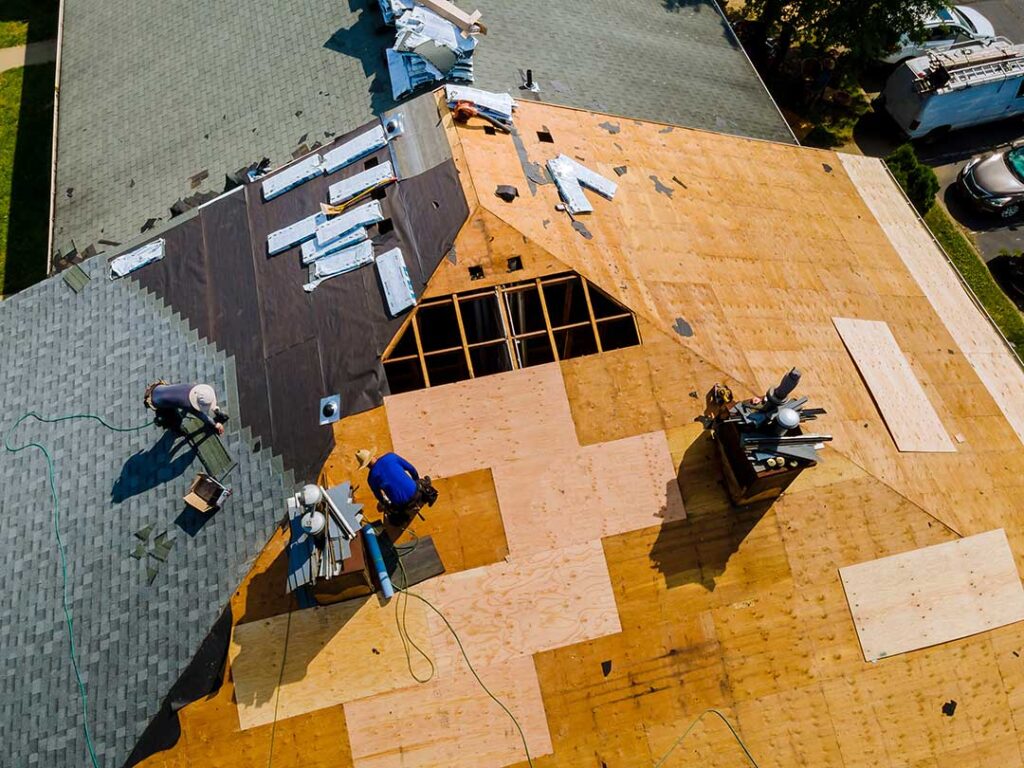
Roof damage is easier to explain and evaluate when the evidence is organized before cleanup or permanent repairs begin. For households in Clarence Center, NY, snow, ice, wind, fallen branches, and freeze-thaw conditions can create damage that is not always obvious from the ground. Good documentation helps show what happened, when it happened, and what parts of the home were affected.
What should be done first after roof damage?
Start with safety, then document the condition as it exists. Do not climb onto a roof, enter a damaged attic, or stand beneath loose materials simply to take better pictures.
Before moving debris or covering openings, record:
- The date and approximate time the damage was discovered
- The weather conditions or event that may have caused it
- The roof slopes, rooms, ceilings, walls, and belongings affected
- Any visible water entry, staining, holes, missing shingles, or displaced flashing
- Damage to gutters, vents, siding, windows, fences, or nearby structures
If water is actively entering the home, place containers under drips and move furniture or valuables away from the affected area when it is safe. These steps help reduce additional damage without changing the original condition more than necessary.
How should roof damage be photographed?
Take wide, medium, and close-up photographs. A wide photograph shows where the damage is located on the house. A medium photograph connects the damaged area to a recognizable feature, such as a chimney, roof edge, dormer, or vent. A close-up shows the actual condition of shingles, metal, wood, insulation, or interior finishes.
Photograph both damage and context:
- The entire front, rear, and sides of the house
- Roof edges and visible roof planes from ground level
- Missing, lifted, cracked, curled, or punctured roofing materials
- Fallen branches, ice impact, or debris near the roof
- Gutters, downspouts, fascia, soffits, vents, and flashing
- Attic rafters, insulation, and roof decking, if accessible without danger
- Ceiling stains, bubbling paint, damaged drywall, and wet flooring
- Furniture, electronics, clothing, or other personal property affected by water
Use natural light when possible. Take additional photographs with a ruler or common object nearby to show scale, but do not disturb loose materials just to create a comparison. Keep the original files and avoid relying only on screenshots or edited images.
The New York State Department of Financial Services advises documenting losses with photographs or video before cleaning up. ([dfs.ny.gov](https://www.dfs.ny.gov/consumers/disaster_flood?utm_source=openai))
What information should accompany each photo?
Photos are more useful when they are connected to dates, locations, and descriptions. Create a simple file system or written log as soon as possible.
For each affected area, record:
- File name or photograph number
- Date and time taken
- Exact location, such as “north roof slope” or “upstairs bedroom ceiling”
- What is visible
- Whether the condition appears new or pre-existing
- Any action taken afterward
For example: “September 30, 2026, 4:20 p.m.—photograph shows water staining around the ceiling light in the rear bedroom after overnight wind and rain. No staining was noticed during the previous room inspection.”
Avoid guessing about the cause. It is better to write “three shingles appear displaced” than “wind definitely caused the roof failure” unless the cause has been confirmed. A factual record is generally more useful than a confident but unsupported conclusion.
Should damaged materials be removed or thrown away?
Do not discard damaged materials before photographing them and checking whether the insurer wants to inspect them. Shingles, flashing, ceiling materials, insulation, or damaged belongings may help establish the extent and nature of the loss.
Some cleanup may be necessary for safety or to prevent more damage. Separate removed materials, label them, and photograph them before disposal. Keep samples or damaged items when practical, especially if they are small and do not create a health or safety concern.
Insurance guidance generally distinguishes between necessary temporary protection and permanent repairs. Reasonable steps to prevent further damage may be appropriate, but permanent work should usually wait until the insurer has provided instructions or inspected the loss. ([content.naic.org](https://content.naic.org/article/consumer_insight_after_storm_read_fine_print_avoid_signing_away_your_insurance_benefits.htm?utm_source=openai))
What temporary repairs should be documented?
Temporary repairs may include covering an opening, placing a tarp where it can be installed safely, boarding a broken window, removing standing water, or protecting furnishings from additional moisture.
Document the condition before the temporary repair, during the work if possible, and afterward. Keep:
- Receipts for materials
- Labor invoices
- Photographs of the temporary protection
- The date and reason for the work
- Notes about who performed it
- Any instructions received from the insurance company
Do not make a temporary repair that creates a fall hazard or requires walking on an unstable roof. In Clarence Center, winter conditions can make roof access particularly dangerous because snow, ice, and hidden weak spots may not be visible from the ground.
How should interior and personal-property damage be recorded?
Roof damage often becomes more apparent indoors. Check upper-floor ceilings, attic insulation, rafters, walls, trim, flooring, and stored belongings. Water may travel along framing before appearing several feet away from the original roof opening.
For each damaged item, record:
- A description and approximate age
- Where it was located
- The type of damage
- Whether it can be dried, cleaned, repaired, or must be discarded
- Purchase receipts, photographs, manuals, or credit-card records if available
- Replacement cost information requested by the insurer

A household inventory is useful even before a loss occurs. The National Association of Insurance Commissioners recommends documenting belongings with descriptions, photographs, purchase information, and estimated value. ([content.naic.org](https://content.naic.org/consumer/home-inventory?utm_source=openai))
Do not inflate values or combine several items into one vague entry. “Water-damaged clothing” is less useful than a room-by-room list describing coats, bedding, shoes, or other affected property.
When should the insurance company be notified?
Notify the insurer promptly once the damage and likely need for a claim are reasonably clear. Policies may contain reporting requirements, and the insurer can explain what forms, photographs, receipts, and inspection procedures apply to that policy.
Before filing, review the deductible and coverage language. A policy may distinguish between replacement cost and actual cash value, and coverage can depend on the cause of loss, exclusions, endorsements, maintenance history, and the condition of the roof before the event. Coverage cannot be determined from photographs alone.
Keep a claim record containing:
- Claim number
- Date and time of each conversation
- Name and role of the person spoken with
- Instructions received
- Documents submitted
- Inspection dates
- Follow-up questions and responses
The state financial services department recommends keeping detailed records of communications and following up in writing after important conversations or inspections. ([dfs.ny.gov](https://www.dfs.ny.gov/consumers/disaster_flood?utm_source=openai))
What common documentation mistakes should be avoided?
Several habits can weaken an otherwise useful claim record:
- Taking only close-up photographs with no location context
- Cleaning up before recording the original condition
- Making permanent repairs before an inspection
- Throwing away damaged materials immediately
- Failing to photograph temporary repairs
- Reporting assumptions instead of observable facts
- Mixing pre-existing wear with newly discovered damage
- Losing receipts for emergency materials or temporary lodging
- Relying on cloud uploads without keeping original files
- Allowing unsafe roof access for the sake of better pictures
A clear timeline is often the most valuable part of the documentation. Keep the initial photos, weather notes, temporary-repair records, inspection notes, estimates, invoices, and correspondence together in one digital folder and one backup location.
Sources:
The guidance above reflects consumer claim information from the New York State Department of Financial Services and the National Association of Insurance Commissioners. Policy language controls the final coverage decision, so the insurer’s instructions and the specific policy should be reviewed for each loss. ([content.naic.org](https://content.naic.org/article/consumer_insight_after_storm_read_fine_print_avoid_signing_away_your_insurance_benefits.htm?utm_source=openai))
