
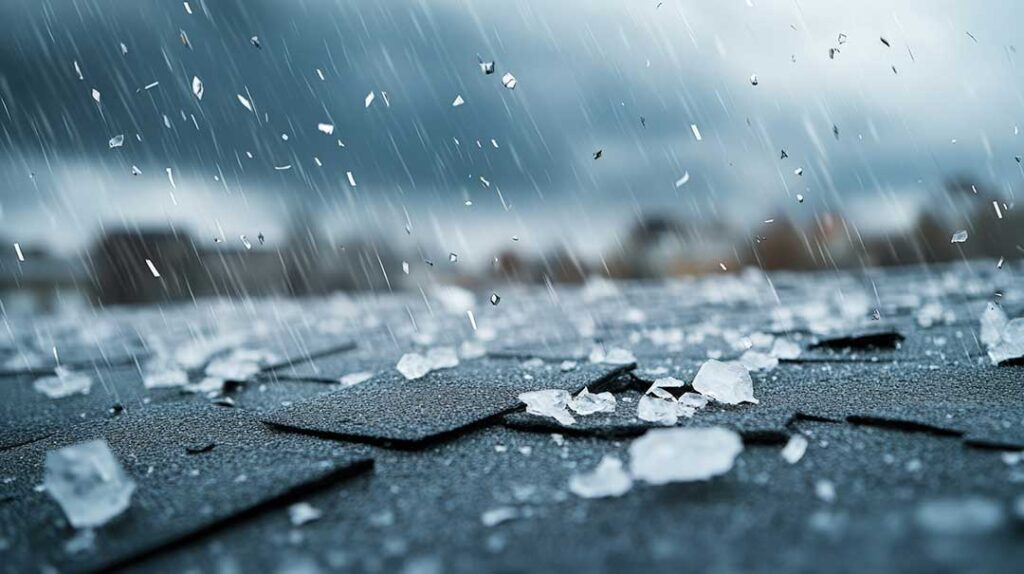
Which roofing material is better for homes in Clarence Center, NY?
Neither asphalt shingles nor metal roofing is automatically better for every household. Asphalt shingles usually offer a lower initial cost and a familiar appearance, while metal roofing generally provides a longer service life and stronger resistance to snow, wind, and repeated weather exposure.
The right choice depends on the roof’s design, the home’s ventilation, the owner’s budget, expected length of occupancy, and how much maintenance is acceptable. Local seasonal conditions also matter. Roofs in this area must handle freezing temperatures, snow accumulation, ice formation, wind, rain, and repeated transitions between cold and mild weather.
How do asphalt shingles and metal roofing differ?
Asphalt shingles are layered roofing products made with a fiberglass base, asphalt coating, and mineral granules. They are installed in overlapping courses and are available in many colors and architectural profiles.
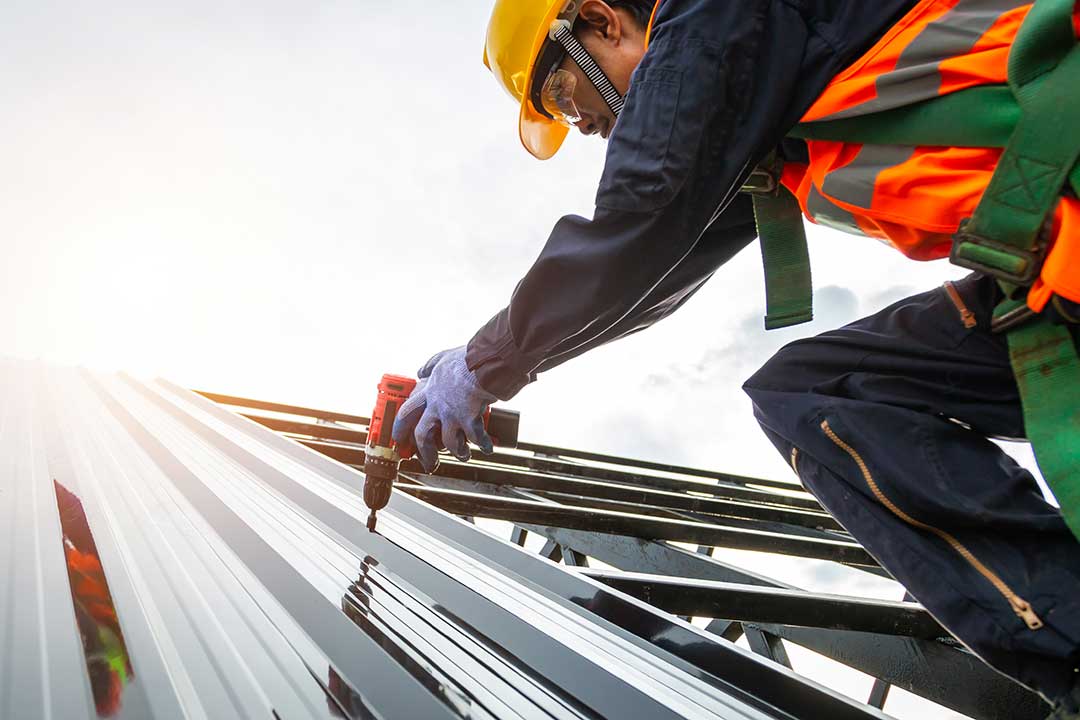
Metal roofing is made from steel, aluminum, or another corrosion-resistant metal formed into panels or shingles. The panels may have concealed fasteners, exposed fasteners, or interlocking seams. Metal roofs can be designed to resemble traditional shingles, slate, or standing-seam panels.
The biggest practical differences involve cost, lifespan, weight, weather performance, appearance, and repair methods.
Which option costs less initially?
Asphalt shingles generally cost less to purchase and install. The materials are widely available, installation methods are familiar, and many roofers are equipped to work with them. This makes shingles a common choice when a household needs to control the immediate project cost.
Metal roofing usually requires a larger upfront investment. The price can vary significantly depending on the metal type, panel design, underlayment, flashing details, roof complexity, and whether the existing roof must be removed.
Initial price should not be the only comparison. A lower-cost roof may need replacement sooner, while a higher-cost metal roof may remain serviceable for several decades. Comparing expected service life and maintenance needs provides a more useful long-term picture.
How long do the materials typically last?
Standard asphalt shingles often last approximately 15 to 30 years, depending on product quality, installation, ventilation, roof slope, weather exposure, and maintenance. Severe storms, poor attic ventilation, and repeated moisture problems can shorten that range.
Metal roofing can last approximately 40 to 70 years or longer when properly selected, installed, and maintained. Its service life depends on coating quality, corrosion protection, fastener performance, drainage, and the condition of the supporting roof structure.
A long lifespan does not mean a metal roof is maintenance-free. Fasteners, sealants, flashings, penetrations, and areas where debris collects still require periodic attention.
Which roof handles snow and ice better?
Both materials can perform well under snow when the roof structure, underlayment, ventilation, and flashing are properly designed. Metal roofing sheds snow more readily because of its smooth surface, especially on steeper slopes. That can reduce the amount of snow that remains on the roof, but it may also create falling sheets of snow near entrances, walkways, decks, or lower roofs.
Asphalt shingles provide more surface friction, so snow tends to remain in place longer. This can be useful around pedestrian areas, although heavy accumulation still adds weight to the roof structure.
Ice dams are caused mainly by uneven roof temperatures, inadequate insulation, air leakage, and poor ventilation. Switching from shingles to metal does not automatically solve an ice-dam problem. The attic and roof assembly must be evaluated as a system.
Which material is more resistant to wind and storms?
Modern asphalt shingles can provide strong wind resistance when properly installed with the correct fastening pattern and compatible accessories. Damaged or aging shingles may lift, crack, or lose granules during severe weather.
Metal panels can resist wind effectively when the clips, fasteners, seams, and edge details are correctly designed. However, metal is not immune to damage. Large hail, falling branches, improper fastening, or impact at roof edges can dent panels or damage protective coatings.
For either material, the roof’s weakest points are often not the broad field of the roof. Valleys, eaves, rakes, vents, chimneys, skylights, and wall intersections require careful flashing and secure attachment.
Is metal roofing louder during rain?
Metal roofing can sound louder than asphalt shingles when the roof assembly has little insulation or an exposed interior ceiling. In a properly insulated home with a finished attic or ceiling, the difference is usually less noticeable.
Noise also depends on the roof deck, underlayment, attic insulation, ceiling construction, and panel design. Homeowners who are sensitive to sound should consider the entire assembly rather than judging metal roofing by the material alone.
Which material is easier to repair?
Asphalt shingle repairs are usually straightforward when the damage is limited and matching shingles are still available. Individual shingles can often be replaced without disturbing a large roof area. Matching becomes more difficult as products fade or are discontinued.
Metal roof repairs depend on the panel system. A damaged exposed-fastener panel may be easier to replace than a concealed-seam panel, where removing connected sections can require more work. Dents do not always mean a metal roof is leaking, but damaged coatings or opened seams should not be ignored.
Regardless of material, small leaks can cause hidden damage to roof decking, insulation, wall cavities, and interior finishes. Water stains may appear far from the actual entry point.
Does metal roofing work well with older homes?
Metal roofing can work on older homes, but the roof structure and existing layers must be considered. Some metal systems are relatively lightweight, while others require additional framing or a specific deck condition.
Asphalt shingles are also not automatically suitable for every older roof. Multiple existing layers, sagging decking, inadequate ventilation, or deteriorated flashing may need correction before new roofing is installed.
A new roof should not simply cover underlying problems. The condition of the deck, eaves, attic ventilation, gutters, and penetrations affects the performance of either material.
Which option is more energy efficient?
Neither roofing material guarantees lower energy bills by itself. Attic insulation, air sealing, ventilation, window performance, heating equipment, and household habits usually have a greater effect on energy use.
Some metal roofing systems reflect more solar heat than dark asphalt shingles, particularly when the roof has a suitable reflective finish. However, winter heating demands and overall roof design also matter. In a cold-climate home, improving attic insulation and controlling air leakage may provide more practical benefit than changing roofing materials alone.
What should local homeowners consider before choosing?
A useful comparison should include more than the material price. Consider:
- Expected length of time in the home
- Roof slope and complexity
- Snow-shedding behavior near doors and walkways
- Existing attic insulation and ventilation
- Condition of roof decking and flashing
- Compatibility with gutters, vents, skylights, and chimneys
- Availability of matching repair materials
- Appearance and neighborhood character
- Future maintenance and replacement expectations
- Whether the roof structure can support the selected system
For a household planning to remain in the home for many decades, metal roofing may make sense despite the higher initial cost. For a homeowner prioritizing a lower project cost, familiar appearance, and simpler spot repairs, asphalt shingles may be the more practical choice.
Safety and building-code questions deserve special attention where structural damage, active leaks, concealed deterioration, or difficult roof access is involved. A qualified roofing or building professional may be necessary to evaluate those conditions before material selection.
The most reliable decision is based on the complete roof assembly—not only the visible surface. A properly installed asphalt roof can perform well for many years, and a properly designed metal roof can provide long service with relatively limited upkeep. Poor ventilation, weak flashing, inadequate fastening, or unresolved moisture problems can shorten the life of either one.
